
The aura design never had
Reading Walter Benjamin in the age of generative design

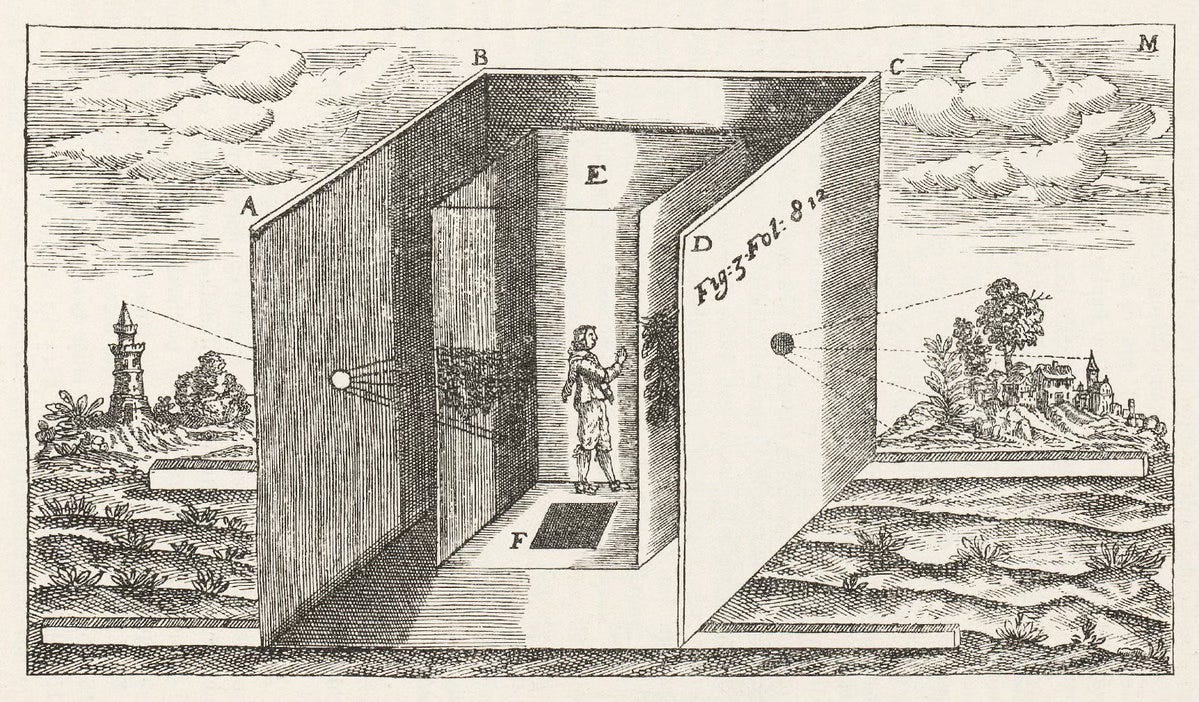
The work of design in the age of artificial intelligence. A phrase that carries plenty of buzzwords, but it's also doing something specific: it echo’s Walter Benjamin's 1936 essay, The Work of Art in the Age of Mechanical Reproduction.
Which is to say - there is nothing new under the sun. The 1936 text perfectly underwrites what a lot of digital designers, myself included are feeling right now, that the aura of design - or its unique standing, potential and authenticity has been removed from its regular context - the hand of the designer - and suddenly made accessible to the masses - you dear reader, prompting Claude design (other future overlords are available - but they’re not currently as good).
What’s different about design’s case is the starting point. Where art was forced to move toward, for Benjamin anyway, was being made for exhibition (commodified, separated from its ritual origins, judged by its display value), design was already there. Digital product design especially: born for the market, forged from the fires of the dot com bubble, made to sell things, evaluated by conversion metrics and under the thumb of the attention economy. There was no aura to lose because there was no cult origin to lose it from.
So AI has shown up and does the exhibition job well, it produces competent layouts at scale, generates plausible interfaces (yes all look the same out of the box), optimises for the metrics design was always trying to hit - so now the question for designers isn’t “how do we protect what we had” but “where do we go now that the basics are commoditised.” ?
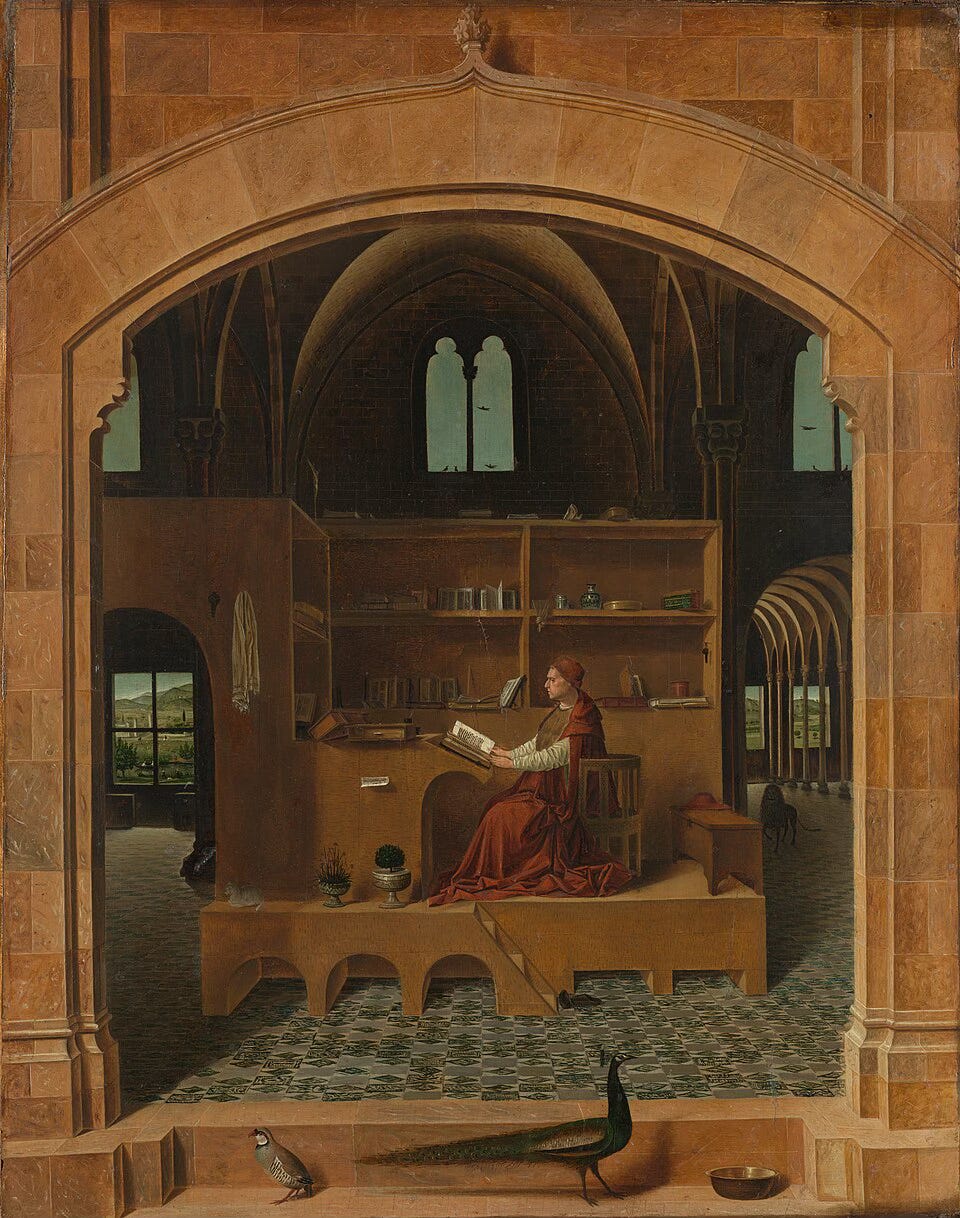
Strangely, the answer is something like a reverse Benjamin. If art lost its cult roots and was pushed toward exhibition, digital design might now have to develop the equivalent of cult roots in a domain that never had them. Not in any literal sense. But in the qualities that make a product feel made by a person rather than assembled from parts: judgment, care, atmosphere, considered decisions, the willingness to refuse the median answer.
These are exactly the qualities an arts training builds, and exactly the qualities AI cannot reliably reproduce (maybe ever) because they require sustained intention across hundreds of small decisions, all in service of an aesthetic position the maker holds, can defend and is closely tied to the inner life of the business or product being built.
The work of design in the age of artificial intelligence isn’t really under threat. It’s being relocated. And the designers most equipped for the new location are the ones who had something more than exhibition value to begin with.
References
Athanasius Kircher. Camera Obscura. 1905. In Ausführliches Handbuch der Photographie. Image sourced from the Public Domain Image Archive / Rijksmuseum
Antonello da Messina. Saint Jerome in his Study. c. 1475. Oil on limewood, 45.7 × 36.2 cm. The National Gallery, London, NG1418. Image via Wikimedia Commons, public domain.
Benjamin, Walter. The Work of Art in the Age of Mechanical Reproduction. Translated by J. A. Underwood. London: Penguin Books, 2008.